
What does it take to create a space where everyone feels welcomed?
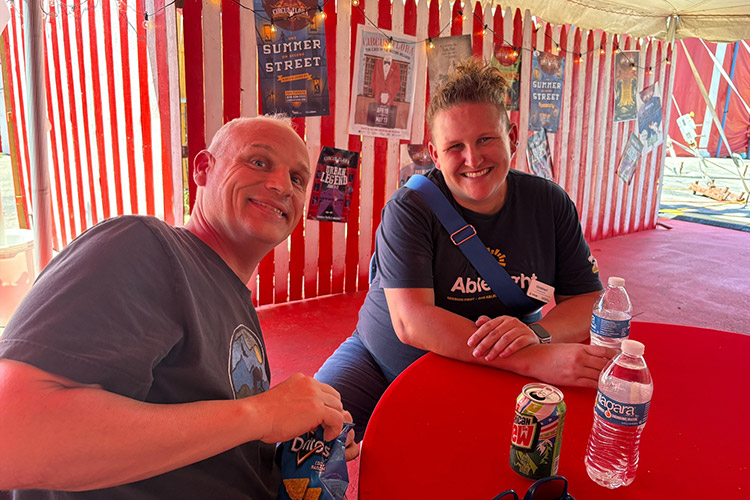
A recent AbleLight outing to a sensory-friendly performance at Circus Flora offered a simple but powerful answer. It is not just about making a space accessible. It is about creating an environment where people feel comfortable, considered, and included.
A different kind of experience
For many people, live entertainment events can feel overwhelming or out of reach. Sensory-friendly experiences change that.
They make thoughtful adjustments; sound is lowered, lighting is softer, quiet spaces are available, people can move, take a break, or react in ways that feel natural. But the biggest difference is not what changes, it is how the space feels.
“The main reason why it’s successful is because it’s just a time and a place where the families and the parents know that they’re amongst, they can breathe,” said Karen Park, AbleLight Advancement Officer and former Executive Director at Circus Flora.
“It is less about the changes made to the production, but the environment; families know that they are welcome and amongst other guests that understand and support them.”
The power of being together
During the outing, that sense of ease showed up in small, meaningful ways. People settled in, laughed, clapped, and enjoyed the performance together.
“I think that there is a lot of power and community connection in experiencing live performing arts together,” Karen shared. “It was lovely to be able to share that with the people that we support.”
Moments like these matter because they do not always come easily. When environments are designed with more people in mind, more people can take part in everyday community experiences.
From accessible to welcoming
Accessibility often focuses on whether someone can entera a space. Inclusion asks something deeper: Do people feel comfortable once they are there?
“To really, really make a space truly welcoming and comfortable for people can seem like a big step,” Karen said.
That next step does not always require major changes.
“Most of the things we can do to foster an inclusive culture are not expensive or difficult. It just takes somebody advocating for these things to happen. And it’s such a win-win,” she explained.
A model beyond the circus
What happens in a sensory-friendly performance does not have to stay there. The same approach can shape other spaces where people gather. It just takes a little more awareness, a willingness to adjust expectations, and an understanding that people experience the world in different ways.
These are small shifts, but they have a lasting impact that can turn places people can access into places where people belong.