
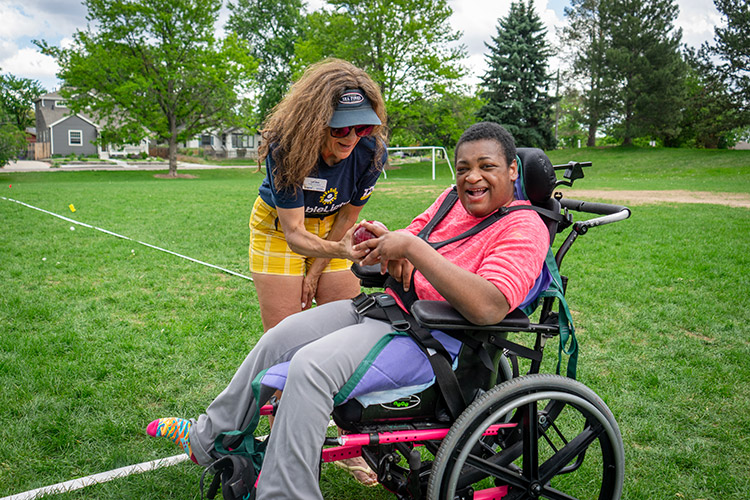
Finding activities that are both meaningful and affordable can be an ongoing challenge for caregivers. During the summer months, when schedules often shift and time at home increases, the need for flexible, low-cost options becomes even more important.
While opportunities and resources vary by location, there are many ways to create engaging, accessible experiences without adding financial strain. For people with developmental disabilities, meaningful activities are not defined by cost of complexity, but by how well they reflect individual preferences, comfort, and support needs.
What makes an activity meaningful
Before exploring specific ideas, it can be helpful to consider what makes an activity worthwhile. Activities that are flexible, predictable, and tailored to individual preferences tend to be more successful.
This might include:
- Opportunities to participate at a comfortable pace
- Options for social interaction or independent engagement
- Clear expectations about what the activity involves
- The ability to adapt based on energy levels or changing needs
Focusing on these elements can help guide decisions, regardless of budget or location.
Outdoor activities that are low cost and adaptable
Spending time outside can offer simple, accessible ways to create engaging summer experiences.
Some options to consider:
- Local parks and walking paths
Parks often provide open space, accessible routes, and areas to sit and observe. A short walk, time in a shaded area, or simply being in a different environment can offer meaningful variety. - Community events and public spaces
Many communities host free concerts, markets, and seasonal events. Attending for shorter periods or at less busy times can help make these experience more manageable - Picnics or outdoor meals
Bringing food outside, whether to a park or a backyard, can create a change in routine without additional cost. - Time near water
Lakes, rivers, or water features can provide a calming or engaging setting, depending on individual preference. Planning ahead for accessibility and safety is key
Each of these activities can be adjusted based on comfort level, interest, and support needs. If the whether is hot, don’t forget to bring water and keep an eye out for shaded resting areas.
Activities at home and in the community
Meaningful activities do not always require travel or new environments. Many low-cost options can take place at home or within familiar settings.
- Creative and hands-on activities
Art, music, gardening, or household projects can provide structure and a sense of accomplishment. - Library programs and community resources
Local libraries often offer free programs, accessible spaces, and material that align with a wide range of interest. - Routine-based activities with a seasonal shift
Everyday activities, such as cooking or exercise, can be adapted by incorporating seasonal elements or moving parts of the activity outdoors.
Balancing structure and flexibility
Summer schedules may change, which can create both opportunities and challenges. For some individuals, maintaining a consistent routine remains important, even when activities change.
Creating a flexible structure can help balance predictability with variety. This might include identifying a few anchor activities each week while allowing space for rest, transitions, and unplanned time.
Planning for transitions between activities, including preparation and recovery time, can also support more positive experiences, particularly when environments or expectations change.
Support comfort and access
Cost is only one part of accessibility. Comfort, communication, and environmental factors also shape whether an activity is successful.
When planning activities, it may help to consider:
- Transportation and travel time
- Noise level and sensory environment
- Availability of seating, shade or rest areas
- Opportunities to step away or take breaks when needed
Thinking through these details in advance can help create experiences that feel more manageable and enjoyable for both caregivers and the individuals they support.
Making the most of the season
Low-cost activities do not need to be elaborate to be meaningful. Small, consistent experiences can create opportunities for engagement, independence, and enjoyment over time.
For caregivers, the goal is not to fill every moment, but to create opportunities that feel supportive and aligned with the individual. When activities reflect personal interests and are approached with flexibility, they are more likely to be sustainable and positive throughout the season.