
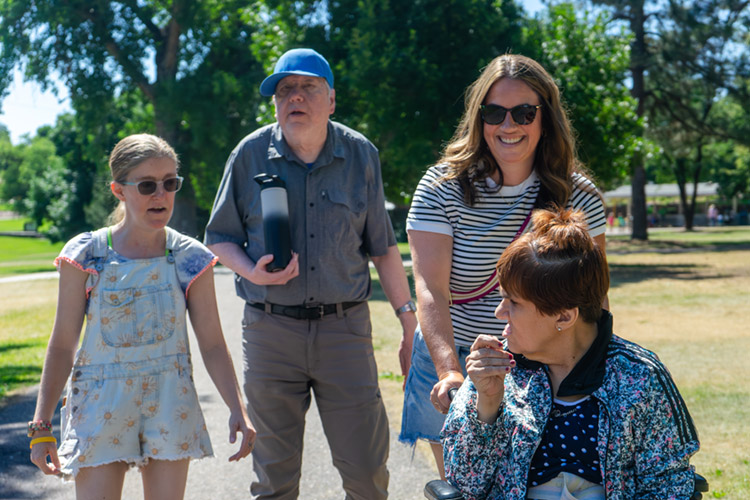
As summer approaches, many people look forward to spending more time outdoors. Parks, trails, community events, and neighborhood spaces offer opportunities to connect, relax, and enjoy the season.
For many people with developmental disabilities, these activities can also play an important role in overall well-being. At the same time, access to outdoor spaces is not always equal. Accessibility, design, and community awareness all shape whether someone can fully participate.
Access to outdoor spaces is not the same for everyone
Outdoor activities are often described as simple or universal, but the ability to participate depends on many factors. Physical environments, transportation, communication, and support needs can all affect whether an activity is accessible.
A park without clear paths, an event without quiet spaces, or a trail without rest areas can create barriers that limit participation. These challenges are not always visible, but they can significantly impact whether someone feels comfortable, safe, and able to engage.
Accessibility is not only about meeting basic requirements. It is about creating environments where people can take part without needing to navigate unnecessary obstacles.
Why outdoor participation matters
Spending time outdoors supports physical health, emotional well-being, and social connection. For individuals with developmental disabilities, these benefits can also help reduce isolation and create opportunities for meaningful engagement in the community.
Outdoor experiences often provide a different kind of participation than structured programs or indoor settings. They allow people to explore interests, build confidence, engage at their own pace, and familiarize themselves with their communities. When outdoor spaces are accessible, they become shared spaces where people of all abilities can participate together.
Designing for accessibility and inclusion
Creating accessible outdoor activities and spaces does not always require large-scale changes. Often, it involves thoughtful planning and consideration of different needs. This can include:
- Clear and maintained pathways
- Shaded seating and rest areas
- Accessible entrances and parking
- Opportunities for both active and low-sensory participation
- Communication that sets clear expectations about the environment
Small adjustments can make a meaningful difference in how people experience a space. When accessibility is considered from the start, participation becomes more natural and more inclusive.
The role of community awareness
Accessibility is also shaped by how people interact with shared spaces. Community awareness plays an important role in creating environments where everyone feels welcome. Simple actions, such as being patient, making room in shared areas, or communicating clearly, can help create inclusive experiences. When people are mindful of different needs and experiences, outdoor spaces become more supportive for everyone. Inclusion is not only built through design, it is also built through everyday interactions.
Outdoor activities at AbleLight
At AbleLight, outdoor activities are one the ways people experience connection, community, and everyday engagement. Across programs and services, individuals spend time outside in ways that reflect their interests, preferences, and comfort levels.
During the summer months, this can include participation in AbleLight Camp in Colorado, where outdoor experiences are designed to be accessible, engaging, and supportive. Individuals also take part in many outdoor picnics, community, outings, and everyday activities through day programs that regularly connect people with their local communities, including time spent outside.
A season for inclusion
Summer offers a natural opportunity to think about how communities can be more accessible and inclusive. When outdoor spaces are designed with intention and care, they allow more people to participate, socialize, and enjoy shared experiences.
Accessibility in outdoor activities about removing barriers and creating spaces where everyone has the opportunity to be present, engaged, and included.