
April is Autism Acceptance Month, a time to consider what real inclusion looks like in everyday life. For people with autism, acceptance means more than being seen. It means being valued, understood, and supported in ways that honor who they are.
That distinction matters.
For many years, public conversations focused on autism awareness. Awareness can be a starting point, but acceptance calls for more. It asks communities, families, workplaces, and service providers to move beyond assumptions and create environments where people with autism can participate fully and be supported in ways that are meaningful to them.
Moving beyond labels
One of the challenges in talking about autism is that people often try to simplify it. Outdated labels and narrow assumptions can miss the complexity of a person’s actual experience.
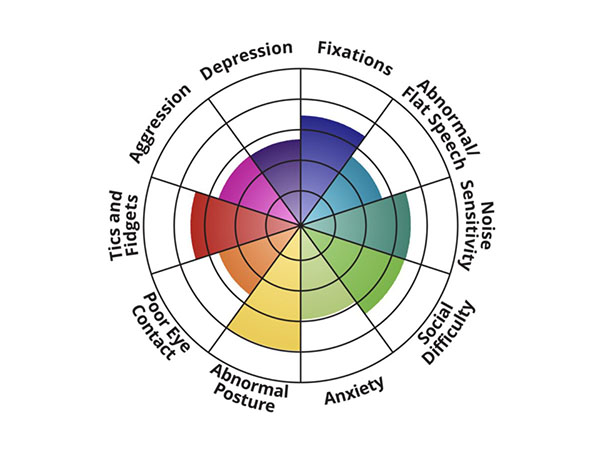
That is one reason tools like the autism wheel have become more common. Unlike the older idea of autism as a straight line or single spectrum, the wheel shows that autism can involve many different experiences, including sensory sensitivity, anxiety, social differences, communication patterns, focus, and emotional regulation. Each person’s profile looks different.
No chart or graphic can fully define a person. Still, the autism wheel can be a helpful reminder that support should be shaped around the individual, not around a fixed label.
What acceptance looks like in practice
Autism acceptance takes shape in ordinary moments. It can look like making room for different communication styles, respecting sensory needs, offering predictability, or responding with patience when someone experiences the world differently.
Acceptance also means resisting the urge to reduce someone to a diagnosis, a support need, or a stereotype. People with autism have their own personalities, preferences, strengths, and goals, just like anyone else. Real acceptance means seeing the full person and responding in ways that support dignity, belonging, and meaningful opportunities.
In schools, workplaces, faith communities, and community programs, this kind of acceptance can make a lasting difference. When people are welcomed as they are, they are more likely to build confidence, form relationships, and participate more fully in community life.
Why individualized support matters
People with disabilities, including autism, do not all need the same kind of support. Some may benefit from help with sensory regulation or transitions. Others may need support with communication, daily living skills, employment, or navigating community settings. For many, support needs can also change over time.
That is why individualized supports matter. Inclusion is strongest when it reflects the person, not a standard model of what support should look like. When families, schools, employers, and service providers take time to understand what helps someone feel safe, respected, and able to participate, they create more room for stability, connection, and growth.
At AbleLight, this understanding shapes how we support people with autism and other disabilities across residential services, employment supports, day programs, and more. We celebrate people with autism this month and throughout the year.
A time to listen and learn
Autism Acceptance Month is an opportunity to listen more closely to autistic voices and reflect on how inclusion shows up in our daily choices. Acceptance is not passive. It takes intention, humility, and a willingness to learn.
When support reflects a person’s real needs, strengths, and goals, more becomes possible. This April, may we continue building communities where people with autism are understood, valued, and included in ways that honor who they are.