
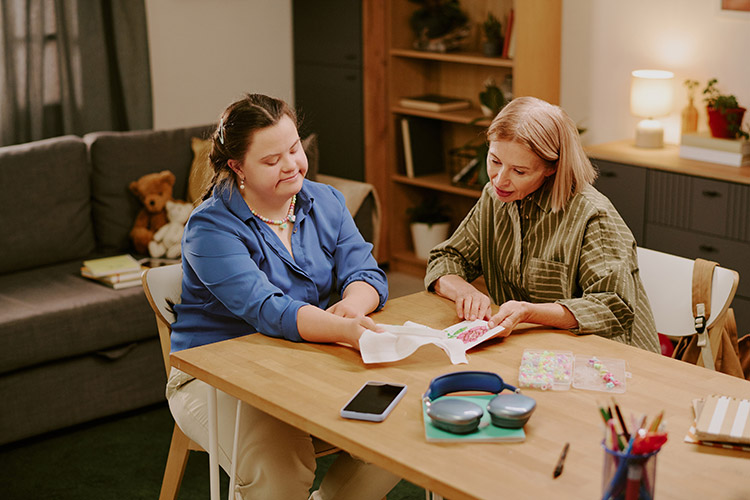
Thinking about the future can bring up a lot of questions for parents and guardians of people with developmental disabilities.
Where might my loved one live? What support might be helpful? Who will stay in their life? What will bring purpose and joy as circumstances change?
These questions matter, but they do not have to be answered all at once. Future planning can begin more simply, with time set aside to listen and learn.
The conversations do not need to be formal. They might happen during a drive, over a meal, while doing a favorite activity, or whenever the moment feels comfortable. Some people may respond through words, while others may communicate their preferences through expressions, gestures, behavior, pictures, or other methods. The important part is creating space for the person to share what matters to them in the ways that work best for them.
Here are five conversations that can help families begin.
1. What would you like more of in your life?
Planning can quickly become focused on needs, responsibilities, and logistics. Beginning with possibilities can make the conversations feel more inviting.
Your loved one might want to spend more time with friends, try a different activity, grow at work, volunteer, learn a skill, or become more involved in the community. The answer could also be something simple, such as having more time outdoors or more choice in how the day is spent.
Try asking:
- What would you like to do more often?
- Is there something new you would like to try?
- Which part of your week do you enjoy most?
- Is there somewhere you would like to go?
Pay attention to what generates interest, not only to what receives a direct answer. Regular choices and everyday reactions can reveal just as much as a formal discussion.
2. What helps you feel comfortable and confident?
Every person has routines, environments, and types of support that help the day go more smoothly. Understanding those details can be valuable when thinking about future changes.
A familiar schedule may provide reassurance. Clear communication may make it easier to know what to expect. Some people may appreciate having time to prepare for transitions, while others may value flexibility and opportunities to make decisions as the day unfolds.
Consider questions such as:
- What helps you have a good day?
- Where do you feel most comfortable?
- What makes it easier to try something unfamiliar/new?
- When would you like help, and when would you rather do something independently?
The purpose is not to determine one permanent approach. Preferences and needs may change. Instead, the conversation can help families recognize what currently works and what may be important to carry forward.
3. Who are the most important people in your life?
A supportive future includes more than formal services. Relationships are often one of the most important parts in a meaningful life. This conversation is an opportunity to talk about the people who provide encouragement, companionship, and support.
Think about discussing:
- Who do you enjoy spending time with?
- Who do you turn to when you need help?
- Who helps you when you have a question or concern?
- Who do you call when you want to talk?
- Who makes you feel supported and valued?
- Is there someone you would like to see more often?
This conversation can reveal which connections are especially meaningful. It may also highlight relationships that need more opportunities to grow.
Families can then consider small, practical ways to nurture those connections, such as exchanging contact information, creating regular time together, or helping the person participate in places where friendship may form naturally.
4. What do you want in a future home?
Housing can feel like one of the largest and most emotional parts of future planning. The conversation does not need to begin by selecting a particular arrangement. It can start with what makes a place feel comfortable, familiar, and personal.
Someone may care about living near family, having a private room, being able to prepare favorite meals, keeping a pet, living close to work, or having people nearby. Daily routines and neighborhood surroundings may matter as much as the type of home itself.
Questions could include:
- What do you like most about where you live now?
- Would you enjoy living with other people or having more privacy?
- What place would you want nearby?
- What would help a new home feel like your own?
The answers may develop over time. Even so, they can give families a more personal starting point when housing conversations eventually become more specific.
5. What do you hope stays part of your life?
Conversations about the future often concentrate on what might change. Asking what should remain can offer a different and equally important perspective.
Your loved one may want to stay close to particular people, continue working, attend the same place of worship, participate in familiar activities, celebrate favorite traditions, or remain connected to a community.
You might ask:
- What part of your life would you never want to change?
- Which traditions are most important to you?
- Where do you feel most connected?
- What would you want people that help you to know about you?
These details can help families capture the parts of life that may not appear in an application or formal plan but are essential to knowing and supporting the person.
Let the conversation happen over time
A conversation about the future does not need to cover every topic or produce an immediate decision. One question may be enough for today.
Answers may also change as the person gains new experiences, develops different interests, or begins expressing preferences in new ways. Revisiting these conversations allows the family to keep learning rather than relying on assumptions made years earlier.
If spoken questions are not the best fit, families can use photographs, visual choices, visits to different settings, or familiar routines to explore what the person prefers. Observing what someone chooses, avoids, returns to, or talks about repeatedly can provide meaningful insight.
Future planning may eventually involve services, documents, and significant decision. Conversations like these help ensure those later steps are grounded in something more personal and in a clear understanding of the individual and the life they want to continue building.